

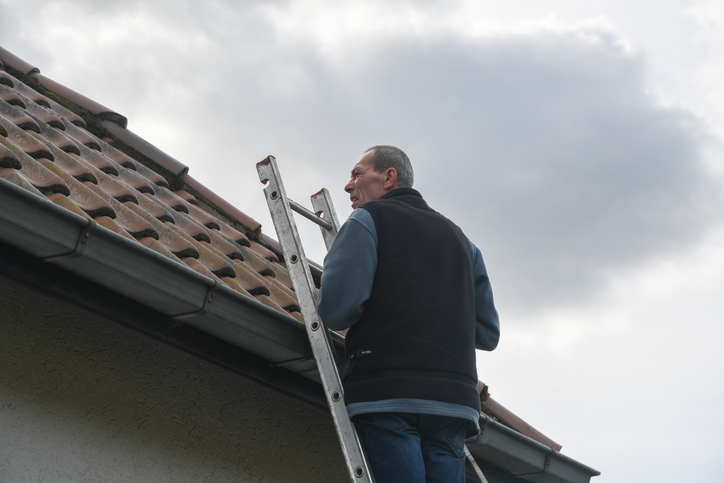
Spring in the Greater Kansas City area is a season of transition. While we all look forward to blooming flowers and warmer afternoons, this time of year also brings heavy rain and unpredictable storms. For homeowners and business owners alike, ensuring your property is ready for these downpours is essential. One of the most important, yet often overlooked, parts of your exterior is the gutter system. Taking care of it now can save you a significant amount of money and stress before the peak of the storm season arrives.
Understanding the Impact of Winter on Your Gutters
Winter weather in Missouri and Kansas is tough on a building’s exterior. Between freezing temperatures, heavy snow, and cycles of ice buildup, your drainage system goes through a lot of stress. Even if your roof looks fine from the ground, the gutters may have shifted or sustained damage that isn’t immediately obvious. Ice dams, which happen when melting snow refreezes at the edge of the roof, can pull gutters away from the house or cause small cracks in the material.
As the ice finally melts away in March and April, it often leaves behind more than just water. It uncovers a hidden layer of debris that has been sitting stagnant for months. This buildup creates a heavy sludge that can weigh down the entire system, leading to structural problems if left alone.
Consider these common issues that often surface once the winter thaw is complete:
- Heavy grit and granules from asphalt shingles that have washed down during snowmelt.
- Loose hardware or "hangers" that became detached due to the weight of heavy ice.
- Small gaps or leaks at the seams caused by the expansion and contraction of metal in the cold.
- Trapped moisture behind the gutter board that could lead to wood rot over time.
Why April and May Are the Ideal Months for Maintenance
Timing is everything when it comes to home maintenance. Scheduling a refresh for your drainage system in early spring puts you ahead of the most intense weather. In the Midwest, May is often one of our wettest months, frequently bringing several inches of rain in very short periods. If your gutters are clogged or broken when these storms hit, the water has nowhere to go but over the sides or, worse, into your foundation.
Spring is also a safer and more effective time for inspections. The extreme cold of winter makes materials brittle, while the high heat of summer can make roof work grueling and dangerous. During the mild days of spring, it is much easier to perform a thorough check and ensure every component is functioning as intended.
A few reasons why proactive spring maintenance makes sense for your schedule and budget:
- You can identify problems during light showers before the heavy "monsoon" rains arrive.
- It allows for a clear view of your landscaping to ensure downspouts are diverting water correctly.
- Professionals have better visibility of the roofline before heavy summer foliage grows in.
- Catching a small leak now is much cheaper than replacing a section of the basement wall later.
The Connection Between Gutters and Roof Longevity
Many people view gutters and roofs as two separate entities, but they actually function as a single, integrated defense system. When your gutters are clear, they protect the edges of your roof; however, a backup can cause water to wick backward under your shingles. This moisture eventually penetrates the wooden structure of your home, leading to mold or expensive roof rot.
By keeping water moving quickly away from the house, you are directly extending the life of your residential roofing. This is especially critical for your eaves and soffits—the sensitive underside of your roof—which are highly prone to water damage.
Proper drainage protects your property in several specific ways:
- Prevents Siding Damage: It stops water from splashing back onto your siding, which causes unsightly staining and rot.
- Stabilizes Foundations: It maintains consistent moisture levels in the soil to prevent foundation cracking.
- Preserves Landscaping: It protects expensive flower beds from being washed away by "waterfalls" pouring off the roof.
- Reduces Flooding Risks: It significantly lowers the risk of basement flooding or damp crawl spaces during heavy rain.
A simple gutter refresh ensures your shingles stay dry and your home remains protected from the top down.
Identifying Signs of Gutter Fatigue
You don't always have to climb a ladder to know if there is a problem; many red flags are visible from the safety of your driveway or sidewalk. Identifying these issues early is the best way to prevent the system from failing and potentially damaging your siding or windows.
Keep an eye out for these visual cues during the next spring shower:
- Tiger Stripes: Vertical streaks of dirt on the outside of the gutters, which usually mean water is regularly overflowing.
- Dry Downspouts: Pipes that stay bone-dry even during a rainstorm, indicating a clog is preventing water flow.
- The Sag: Gutters that look like they are bowing or leaning away from the roofline due to the weight of standing water and debris.
- Metal Deterioration: Peeling paint or orange rust stains on the gutter metal or the side of your house.
- Yard Pooling: Water collecting in areas of your yard that used to stay dry.
- Shingle Grit: Piles of granules accumulating at the bottom of your downspouts after it rains.
Modern Precision in Gutter and Roof Care
Technology has changed the way we look at home maintenance. In the past, a technician might have had to climb all over your roof just to see if there was a clog. Today, advanced tools allow for much more accurate assessments. For example, using a drone inspection can help identify exactly where a blockage or a broken seam is located without putting anyone at risk. This modern precision ensures that the job is done right the first time and that no issues are missed.
Whether you have a traditional home with asphalt shingles or a business with flat roofs, the goal is always the same: efficiency. Modern gutter systems are designed to handle larger volumes of water than older models, and a spring check-up is the perfect time to see if your current system is still up to the task or if an upgrade to a more modern, seamless design would be beneficial.
Protecting Your Investment with Expert Care
While DIY cleaning is a common weekend chore, a professional eye identifies structural issues like a shifting pitch that are invisible to most homeowners. Even a slight change in the gutter's angle can cause water to sit stagnant, creating a breeding ground for pests rather than flowing safely away.
At JPA Roofing, we bring over two decades of experience to every project, combining high-tech drone inspections with an old-school commitment to leaving your job site spotless.
A Clear Path Forward
Taking care of your gutters this spring is one of the smartest moves you can make as a property owner. By removing winter debris, checking for structural damage, and ensuring proper water flow now, you can avoid the emergency repairs that often come with summer thunderstorms. A well-maintained system protects your roof, your siding, and your foundation, saving you from expensive headaches down the road. While it might seem like a small task, it is the first line of defense for your home.
Don't wait for the next big storm to find out your gutters are failing. Our team is ready to help you protect your home with a professional inspection and honest advice. Book your consultation online or call us today at (314) 350-3700.